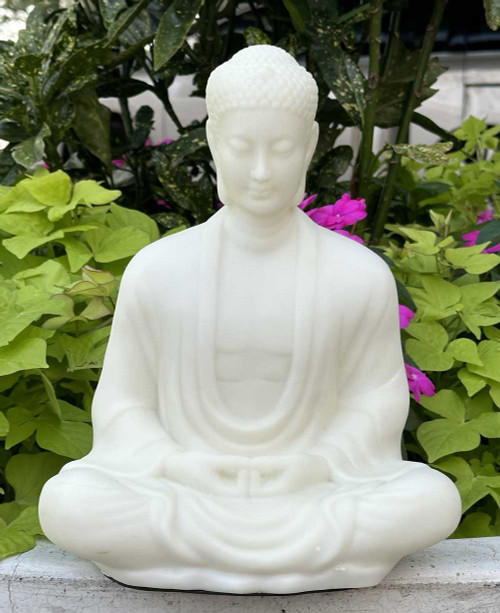


The Weeping Buddha, symbolizing deep introspection and compassion, serves as a powerful reminder of the importance of empathy and understanding in our lives.
Product Finish: This statue is handmade with a rustic finish using a single log of wood. As in nature, each statue has deep cracks and imperfections in the finish, as indicated in the pictures. Please refer to the images/video prior to adding the item to your cart.
- Material: Wood
- Dimensions: Each piece is unique. Average dimensions are about 11-13" tall x 11" – 12" wide
- Weight: Approximately 12 lbs to 15 lbs
- Origin: Handcarved in Bali
- Features: Handmade with a rustic finish, showcasing beautiful craftsmanship and profound symbolism
This item is handmade. Variations are the results of the hand-making process and ensure that each piece is one-of-a-kind. According to legends, the Weeping Buddha sheds tears because the world is filled with sorrow, and someone must mourn for our collective grief. By touching the back of the Buddha, we transfer our sorrows to him, thereby lightening our burdens and making life a bit better.
design: A solid, rounded form hand-carved from a single log of wood, capturing the Weeping Buddha's bowed head and hunched shoulders in a deep, contemplative curl. The rustic, unlacquered finish leaves the natural grain, knots, and cracks of the wood fully visible, giving each statue a raw, sculptural presence.
size: Average dimensions are about 11"-13" tall x 11"-12" wide. Weight is approximately 12-15 lbs. Each piece is one-of-a-kind, so exact size varies.
material: Solid wood, hand-carved from a single log
features: Hand-carved from a single log, rustic unfinished texture, natural grain and cracks left exposed, hand-carved in Bali, one-of-a-kind form
care: Dust with a soft, dry cloth and keep away from direct sunlight and damp conditions to protect the natural wood finish.
disclaimer: Because this piece is hand-carved from a single log and left in a rustic, natural finish, each statue carries its own grain pattern, cracks, and imperfections, making every one truly one-of-a-kind.
Meaning & Intention
The Weeping Buddha is one of the more unusual and quietly moving figures in Buddhist folk tradition. Unlike serene meditating Buddhas or the jovial Laughing Buddha, this figure is shown curled inward, head bowed and shoulders drawn close, as though carrying the weight of the world's sorrow. Legend holds that he weeps because someone must mourn for the grief of all beings, choosing to hold that sadness so others might carry a little less of it.
This particular carving strips the figure down to its essential gesture, a rounded, huddled mass of wood grain and shadow, so the emotion reads through form and texture rather than facial detail. The deep cracks and knots left visible in the rustic finish echo the statue's meaning: nothing whole is without its fissures, and there is dignity, not flaws, in what has weathered something difficult.
A well-known custom asks that you gently touch the Buddha's back, symbolically transferring your own sorrows to him so that he might carry them for you. It's a small, physical ritual of release, a reminder that grief shared or set down, even briefly, becomes easier to bear.
Kept on a shelf, altar, or windowsill, this statue becomes a quiet touchstone for the harder days, a piece you can rest a hand on when you need to acknowledge a weight before setting it back down. Its rustic, tactile surface invites that kind of contact, turning a moment of stress into a small ritual of compassion, for yourself and for others.
Essence & Elements
- Ideal For: Anyone seeking a meaningful reminder to hold space for grief, empathy, and self-compassion
- Purpose: Home altar or meditation space accent, grief and healing ritual, symbol of compassion and empathy, shelf or tabletop display, thoughtful gift for someone going through a hard time
- Suggested Mantra: May I carry this lightly
- Intention: Compassion, Empathy, Release, Healing
- Chakra Connection: Heart Chakra
Questions & Guidance
What does the Weeping Buddha symbolize?
The Weeping Buddha represents deep compassion and shared sorrow. According to legend, he weeps because the world holds so much grief that someone must mourn for it collectively, offering a gesture of empathy rather than despair.
Why is it customary to touch the statue's back?
Tradition holds that touching the Weeping Buddha's back symbolically transfers your sorrows to him, a small ritual meant to lighten your emotional burden.
What is this statue made of, and why does the finish look so rough?
It's hand-carved from a single log of wood and left with a rustic, unfinished surface, so the natural grain, cracks, and knots of the wood remain visible. These marks are part of the material, not defects.
Will my statue look exactly like the picture?
Because each piece is hand-carved from an individual log, no two are identical. Expect natural variation in grain, cracking, and coloring similar in spirit, but not identical, to the images shown.
How should I care for a rustic-finish wood statue?
Simply dust it with a soft, dry cloth. Keep it out of direct sunlight and away from humidity or damp spaces, which can affect the wood over time.